
Metal gifts for trade shows work when the item is useful enough to keep and specific enough to remind the visitor where they met you. The six formats that perform best are split-ring keychains, bottle openers, lapel pins and badges, bag charms, medals, and fridge magnets. The choice is driven by three numbers: the quantity you can afford, the budget per unit, and the number of days before the show when the goods must arrive.
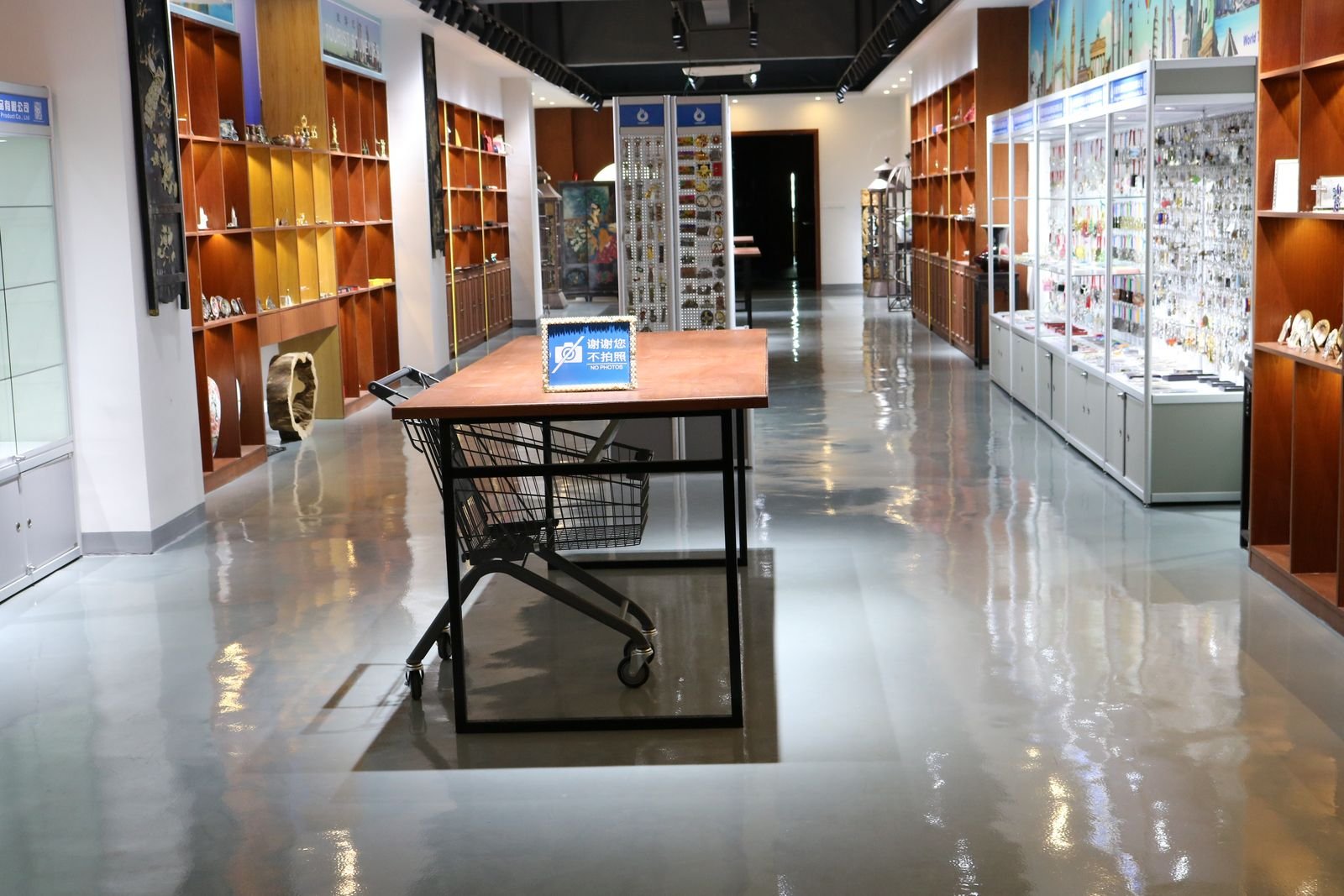
Why Trade Show Giveaways Behave Differently From Other Gifts
A trade show giveaway is judged in about three seconds, on a stand, next to forty other people doing the same thing. That changes what works. A giveaway has to be visually distinct at arm length, it has to fit in one hand, and it has to have a reason to be kept rather than binned at the end of the day. A premium gift that is too large or too delicate to carry around a trade show floor performs worse than a small, solid, branded item that goes straight into a pocket.
The second difference is timing. A trade show has a fixed date, so the production schedule works backwards from it rather forwards from an enquiry. This makes tooling decisions more urgent than usual, because a new shape that is not sampled and approved in time cannot be used for the show at all, no matter how good it is.
The third difference is logistics. A giveaway usually has to be packed per visitor or per lead, so packaging and packing labour are part of the giveaway cost, not an afterthought. Many show programmes end up spending more on the bag than on the metal item, which is worth planning for.
This guide compares the six giveaway formats by cost position, minimum order tier and lead time, then gives a planning sequence that works backwards from the show date.
The Six Trade Show Giveaway Formats Compared
This is the core comparison table. Use it to narrow the field before you send artwork.
| Giveaway format | Why it works at a show | Size and weight | Cost position | MOQ tier | Lead time |
|---|---|---|---|---|---|
| Split-ring keychain | Goes in a pocket, carries a logo on both sides, survives being dropped | 30 – 50 mm, 8 – 25 g | Lowest | 100 – 500 pcs | Shortest; existing shapes available |
| Bottle opener | A functional tool that is kept; common in hospitality, food and beverage shows | 50 – 120 mm, 30 – 90 g | Low to mid | 500 – 1,000 pcs | Medium |
| Lapel pin or badge | Worn on the spot, which is the strongest branding of any giveaway | 20 – 45 mm, 6 – 25 g | Low to mid | 500 – 1,000 pcs | Medium |
| Bag charm | Attaches to a bag the visitor already carries; fashion and retail shows perform best | 20 – 50 mm, 2 – 30 g | Low to mid | 1.000 Stück | Short to medium |
| Medal or challenge coin | Higher perceived value, suits awards, association and professional shows | 45 – 80 mm, 35 – 150 g | Mid to high | 500 – 1,000 pcs | Medium |
| Fridge magnet | Low unit cost and a long life at home; works for consumer and tourism brands | 30 – 100 mm, 8 – 120 g | Low | 100 – 500 pcs | Shortest; many existing shapes |
Budget Tiers: Matching the Giveaway to the Quantity You Can Fund
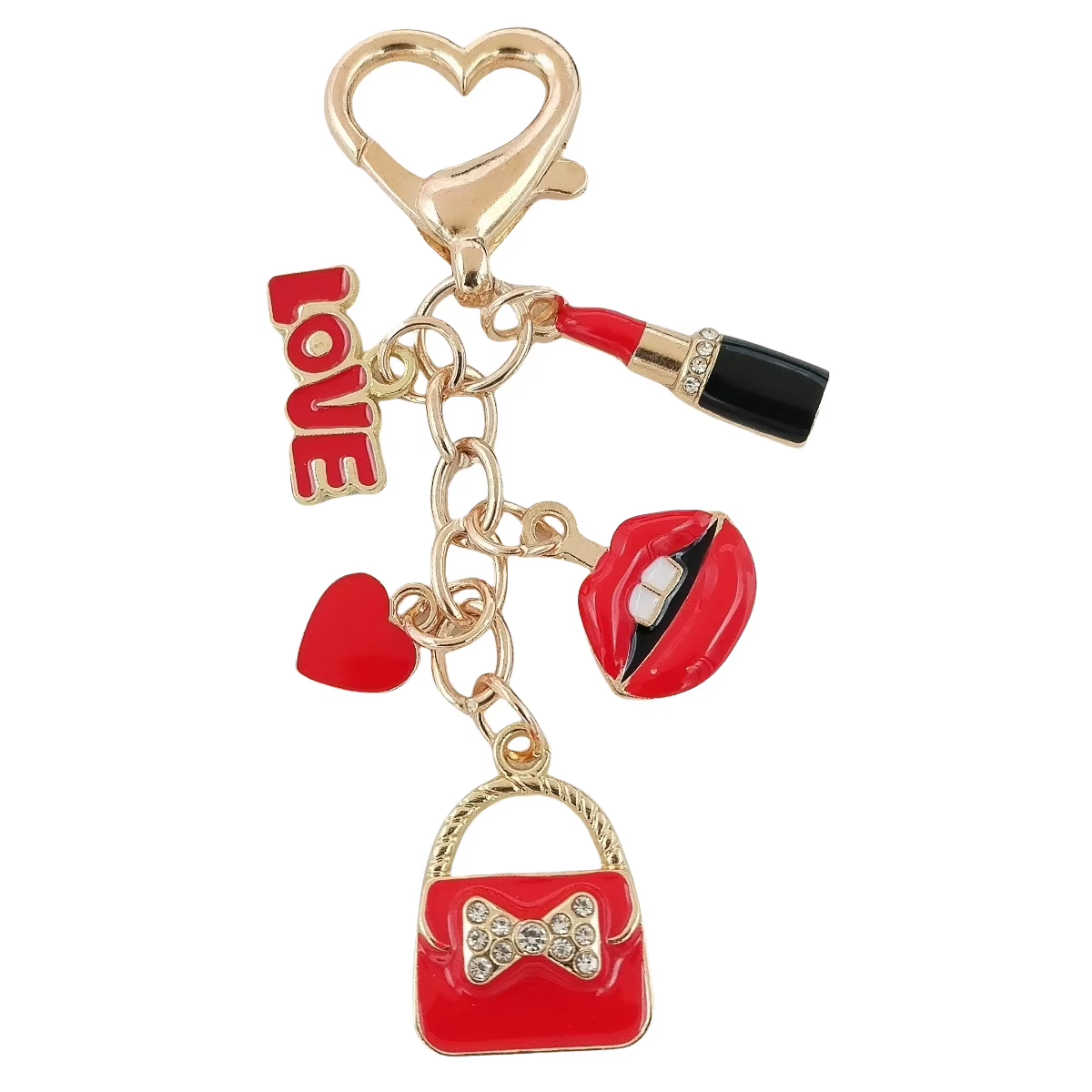
The budget tier is decided by what you can spend per visitor and how many visitors you expect to convert. Because the minimum order quantity applies per design, the number of giveaway formats in the programme has a direct cost impact, and one strong format usually performs better than three weak ones. Handout quantity drives both the giveaway budget and the production minimum — our 500-piece minimum guide covers what a 500-piece run can realistically hand out.
| Budget tier | Typical unit position | Quantity band | Recommended formats | Design count | Outcome |
|---|---|---|---|---|---|
| Tier 1 — lowest cost | Low unit cost, mass distribution | 100 – 499 pcs per design | Split-ring keychain, fridge magnet, flat enamel badge | 1 – 2 | Volume handout; branding reach rather than deep engagement |
| Tier 2 — mid | Mid unit cost, functional or wearable | 500 – 999 pcs per design | Lobster-clasp keychain, bottle opener, lapel pin, bag charm | 2 – 3 | Lead qualification piece; kept after the show |
| Tier 3 — premium | Higher unit cost, high perceived value | 1,000 pcs and above per design | Custom medal, relief keychain, multi-part giveaway set | 1 – 2 | VIP or award tier; strongest brand recall |
One practical rule: for a first show, budget the majority of the spend on one format with one design, and hold a smaller quantity of a second, higher-value format for the leads that matter. Two designs means two tooling decisions and two minimum tiers, so every additional format reduces the depth of the run.
Lead Time: Working Backwards From the Show Date
This is the calculation that decides whether a new shape is usable for your show. The components below are the ones that apply to a metal giveaway programme.
| Stage | Duration | Note |
|---|---|---|
| Artwork preparation and 3D modelling | 3 – 5 working days | Starts from the moment the final artwork is confirmed, not from the initial enquiry |
| Tooling for a new shape | Scheduled before sampling | Only applies to a fully custom shape; an existing shape skips this entirely |
| Pre-production sample | About 7 days | Must be approved in writing before mass production can start |
| Mass production | About 15 – 20 days | Counted from sample approval, not from the order date |
| Quality inspection | 1 – 2 days | Final check against the approved sample before packing |
| Packaging and labelling | 2 – 5 days | Longer if per-visitor personalisation or a data-variable label is involved |
| Shipping | By express, air or sea | Transit time sits on top of the production schedule, it is not part of it |
The practical conclusion is that a fully custom new shape is usually not viable for a show in the same season, because tooling and sampling sit in front of the approval point. If the show is close, start from a shape that already exists and put the design effort into the logo, the finish and the packaging instead. Our lead time and shipping guide covers the scheduling in more detail.
Packaging and Distribution for a Show
Distribution format changes the cost of a giveaway programme more than the metal item does. Choose it based on how the piece will actually be handed over.
| Distribution format | How it is handed over | Cost position | Best for |
|---|---|---|---|
| Polybagged loose piece | Handed over in a protective bag, or loaded into a bowl | Lowest | High-volume handout where a premium presentation is not needed |
| Backing card | Hung on a peg rail at the booth, or handed over on the card | Medium | Booth display that lets the visitor browse and choose |
| Individual box | Handed over in a box per visitor | Medium to high; adds packing labour | Premium tier or a giveaway with a value-added insert |
| Gift box | Presented as a gift, often with a card or insert | Medium to high | VIP tier and relationship-building moments |
| Branded pouch or sleeve | Sleeve or pouch carrying the piece and any insert | Medium; a print run is needed | Programmes where the packaging must carry the brand |
| Display box | Bulk stock on the booth counter, handed over individually | Medium; sized to the run | Multi-day shows and high-traffic booths where restocking happens |
Show-Specific Execution Details
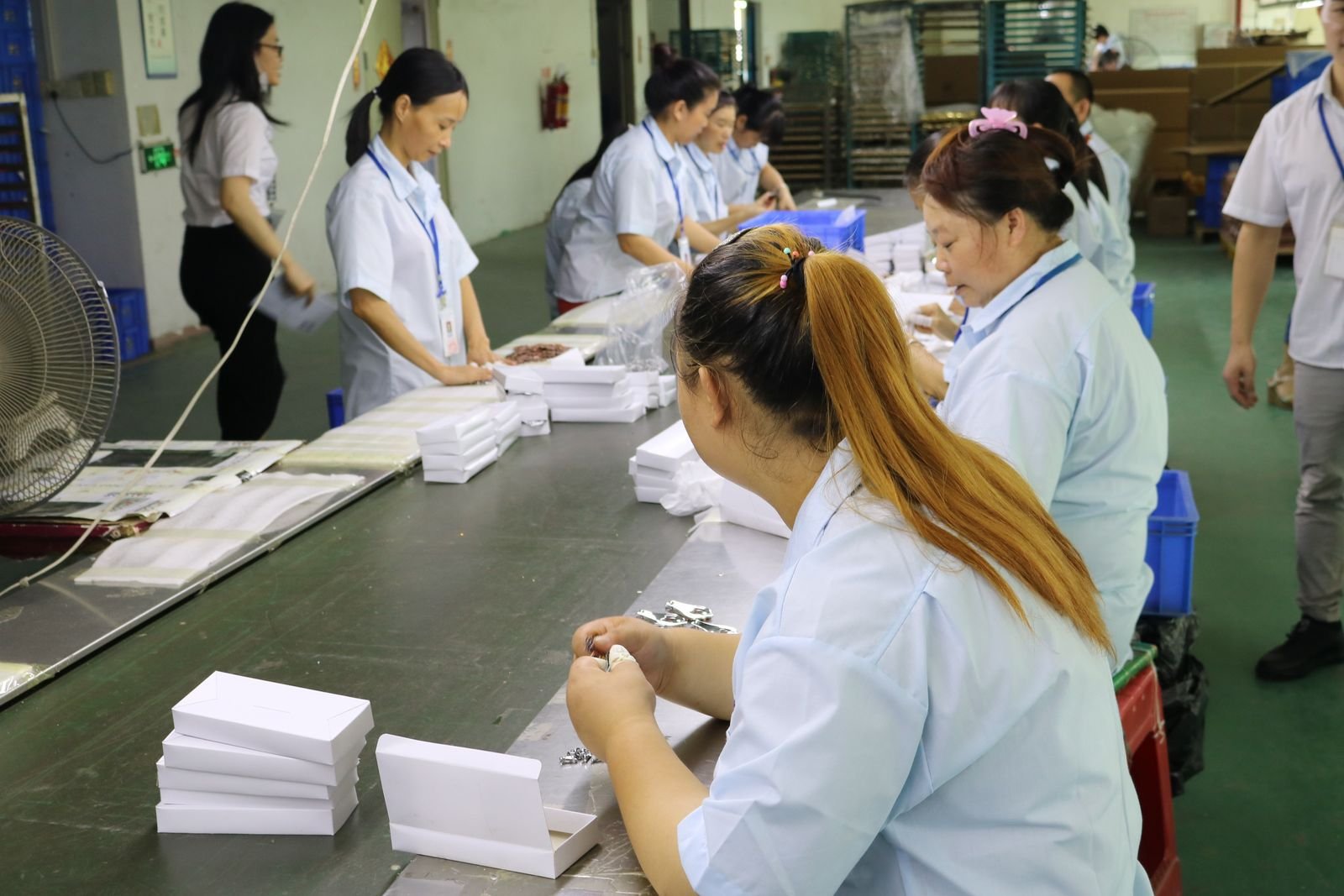
These are the operational details that get missed on a trade show giveaway, listed because each one has cost or compliance consequences.
- Restocking. A multi-day show needs stock on the stand for each day, so the order quantity has to cover the daily handout volume multiplied by the number of show days, not just the visitor total.
- Data-variable personalisation. A name or company printed on the piece means a print run per recipient, which adds packing labour and usually extends the packing stage by several days. If the personalisation is not essential, a laser-engraved logo on the metal is far simpler.
- Country restrictions. Metals and packaging differ by destination market, and some destinations have their own labelling and material expectations. Confirm the destination before the artwork is finalised.
- Booth testing. The giveaway should be handled in the environment it will be used in. A large or heavy item is awkward to take from a booth, so the size and weight bands in this guide are chosen with that in mind.
- Sampling before the show. One sample should physically reach the booth team before the goods ship, so the person handling it at the stand knows what it is and can describe it.
- Storage and transport. Die-cast zinc alloy is heavy relative to its size, so the freight cost of a giveaway is often decided by weight. A larger quantity of smaller pieces usually ships cheaper than a small quantity of large ones.
A Nine-Step Trade Show Giveaway Plan
- Fix the show date, then work backwards to find the artwork deadline. Nothing else can be decided until this date is known.
- Set the quantity, from expected booth traffic across all show days multiplied by the handout rate you expect.
- Set the budget per unit, then pick the format that fits that number and that quantity band.
- Choose one primary format and at most one secondary format. Each extra format is a separate tooling decision and a separate minimum tier.
- Check whether an existing shape can carry your logo, because that removes tooling from the schedule.
- Choose the finish and the branding method, and confirm the logo method is achievable on the chosen shape.
- Confirm whether the piece will be personalised per visitor, and price the packing labour if it will.
- Select packaging and distribution format based on how the piece is actually handed over.
- Approve the sample in writing, release production, and book shipping with enough margin for the transit time.
Giveaways Against the Retail Souvenir Formats
A trade show giveaway and a retail souvenir solve different problems, and the same product can move between them. Metal souvenir ideas for tourist attractions covers the retail side, where the visitor pays and the price ladder and the display format decide the sale. Custom metal bag charms covers the small ornament format that is common at a booth, where a lightweight item that fits in a pocket outperforms a heavier piece.
Related Pages
Our current custom metal keychain range is the most common giveaway format and the lowest cost per unit, and the keychain types guide covers the attachment options in detail. For a functional giveaway, our custom bottle openers and the bottle opener type guide set out the format choices. For a wearable giveaway see custom medals and badges and the how to order custom medals guide. For gift-shop style giveaways our custom metal fridge magnets and fridge magnet types guide apply. On sourcing and delivery, see the 12-point manufacturer checklist, quality control before shipment, lead time and shipping and packaging options.
Häufig gestellte Fragen
Was sind die besten Werbegeschenke aus Metall für Messen?
Am besten eignen sich Schlüsselanhänger mit Spaltring, Flaschenöffner, Ansteckpins und Abzeichen, Taschenanhänger, Medaillen und Kühlschrankmagnete. Generell gilt: Werbegeschenke sind dann erfolgreich, wenn sie nützlich genug sind, um aufbewahrt zu werden, und klein genug, um mitgenommen zu werden. Ein tragbares Produkt wie eine Anstecknadel hat die stärkste Markenwirkung, da es direkt am Körper getragen wird, während ein Flaschenöffner die längste Lebensdauer hat, da er benutzt und nicht nur aufbewahrt wird.
Wie hoch ist die Mindestbestellmenge für Werbegeschenke auf Messen?
In unserem Katalog gibt es drei Stufen für Mindestbestellmengen: etwa 100 Stück für Standardformen oder fast serienmäßige Designs, bei denen keine neue Form angefertigt wird, etwa 500 Stück für Standarddesigns unter Verwendung bestehender Werkzeuge und etwa 1.000 Stück für die meisten vollständig maßgeschneiderten Druckgussformen. Die Mindestbestellmenge gilt pro Design. Für eine Messe ist dies von Bedeutung, da zwei Formate mit jeweils 1.000 Stück den doppelten Auftragswert eines Formats mit 1.000 Stück haben; daher ist die Aufnahme eines zweiten Werbegeschenkformats in das Budget in der Regel die kostentechnisch wichtigste Entscheidung im Rahmen des Programms.
Wie lange dauert die Herstellung von maßgeschneiderten Werbegeschenken aus Metall für Messen?
Rechnen Sie mit etwa 7 Tagen für ein Vorserienmuster und etwa 15–20 Tagen für die Serienfertigung nach Freigabe des Musters. Die Werkzeugfertigung für eine neue Form wird vor der Musterphase geplant; der Versand ist per Express, Luftfracht und Seefracht möglich, wobei die Transportzeit zusätzlich zum Produktionszeitplan zu berücksichtigen ist. Es ist unerlässlich, von einem festen Messetermin rückwärts zu planen, da ein vollständig maßgeschneidertes Design in der Regel nicht rechtzeitig für dieselbe Saison als Muster angefertigt und freigegeben werden kann.
Wie viele Exemplare sollte ich für eine Messe bestellen?
Bestellen Sie die Gesamtmenge an Werbematerial für alle Messetage, nicht die tägliche Menge. Die Besucherzahlen am Stand verteilen sich bei einer mehrtägigen Messe nicht gleichmäßig. Daher ist es üblich, für den Tag mit dem höchsten Besucheraufkommen die volle Werbematerialmenge einzuplanen und die Bestellung für die folgenden Tage zu reduzieren; anschließend wird zwischen den Tagen nachgeliefert, sofern der Versand praktikabel ist. Wird das Werbegeschenk eher zur Qualifizierung von Interessenten als zur pauschalen Verteilung eingesetzt, fällt die Bestellmenge in der Regel deutlich geringer aus, da es nur im Rahmen eines Gesprächs angeboten wird.
Soll ich das Werbegeschenk mit dem Namen des Besuchers personalisieren?
Das ist möglich, ist jedoch mit Kosten verbunden und wirkt sich auf den Zeitplan aus. Eine datengesteuerte Personalisierung bedeutet einen Druck- oder Gravurdurchlauf pro Empfänger, was zusätzlichen Verpackungsaufwand verursacht und die Verpackungsphase in der Regel um mehrere Tage verlängert. Wenn eine Personalisierung nicht unbedingt erforderlich ist, ist ein lasergraviertes oder emailliertes Logo auf dem Metall wesentlich einfacher und kann im Voraus verpackt werden. Bei einem hochwertigen Werbegeschenk bietet ein lasergravierter Firmenname auf dem Artikel in der Regel den größten Nutzen zu einem Bruchteil der Kosten.
In welcher Verpackung sollten Werbegeschenke für Messen verpackt sein?
Das hängt davon ab, wie das Produkt übergeben wird. Bei einer Verteilung in großem Umfang ist eine Plastiktüte die kostengünstigste Option. An einem Messestand, an dem Besucher stöbern, präsentiert eine bedruckte Rückwandkarte an einer Hängeschiene das Sortiment ansprechend und trägt den Preis sowie die Marke. Für die Premium- oder VIP-Klasse verwandelt eine Einzelverpackung oder eine Geschenkbox das Werbegeschenk in ein Geschenk. Bei einer mehrtägigen Messe mit Nachschub ist eine Ausstellungsbox auf der Theke praktisch.
Are metal giveaways too heavy to ship to a trade show?
Die-cast zinc alloy is heavy relative to its size, and freight is usually charged by volume or weight. The practical answer is that a larger quantity of smaller pieces normally ships cheaper than a small quantity of large ones for the same budget. This is also why small split-ring keychains and flat enamel badges are the default trade show giveaway. Heavier items such as medals and large building-style pieces work better for a VIP tier than for a blanket handout.
Can I use an existing keychain shape for my trade show giveaway?
Yes, and it is the practical option when the show is close. Starting from a shape that already exists removes tooling from the schedule entirely, and the design effort goes into the logo method, the finish colour and the packaging instead, which is where the visible branding actually comes from. A fully custom shape is worth the schedule when the show is far enough away to absorb the sample and approval step.
Do metal trade show giveaways work for B2B buyers as well as consumers?
They work, but the format and the message differ. For a consumer show a giveaway is a brand souvenir. For a B2B show the piece is usually used as a qualification or closing gift, and it is worth spending more on a single well-finished item with a corporate logo than on a large volume of cheap items. In a B2B context the giveaway also often carries a functional element, such as a bottle opener or a desk piece, because it needs to survive on a desk rather than in a pocket.
How do I make sure the giveaway arrives in time for the show?
Work backwards from the show date and treat the artwork deadline as the real start of the schedule. The sequence is artwork and 3D modelling, then tooling if a new shape is needed, then a pre-production sample of about 7 days, then mass production of about 15-20 days after written sample approval, then inspection, then packaging, and finally shipping by express, air or sea. Add the transit time on top, not inside. One sample should also physically reach your booth team before the bulk shipment leaves.
Sind Sie bereit, Ihr individuelles Projekt zu starten?
Send us your design or reference photo - free rendering and quotation within 24 hours. MOQ from 100-500 pcs, factory-direct pricing since 2010.