
Zinc alloy is the metal behind most custom metal wine stoppers sold to businesses. It is cast in a die, not machined or stamped, which is why it holds a 2.5D or full 3D shape, a fine logo and a metallic plating finish at a price a wholesale buyer can repeat. For most promotional, retail and corporate orders it is the default choice — and for a specific set of buyers it is the only sensible one.
Buyers searching for zinc alloy wine stoppers are usually doing one of three things: they are comparing a material against another metal, they are checking whether a supplier can actually cast what they need, or they are ready to order and want to know what to specify. This guide answers all three, and it is written from the production side rather than from a product catalogue.
We manufacture custom metal gifts in Dongguan, China, and zinc alloy is the workhorse material for our wine accessory range. Everything below reflects what we run in our own workshop: the casting process, the plating options we finish in, the tooling routes, the order parameters that move a quote, and the questions worth asking a factory before you send artwork.
Why Buyers Move to Zinc Alloy for Custom Wine Stoppers
The decision starts with shape. A wine stopper has to do two jobs at once: seal the bottle neck and carry a decorative top that a buyer can put in front of a customer. To do both, the top needs detail — a relief, an outline, a texture — and the detail has to survive being handled, shipped and shelved.
Zinc alloy is a good fit for that job for four practical reasons.
Die casting holds detail that stamping cannot
Zinc alloy is molten under pressure and fills a steel die. It reproduces fine relief, undercut detail and consistent three-dimensional forms in a single shot. Stamped or laser-cut sheet metal is cheaper per piece but cannot reproduce the same depth of form. If your design has a raised logo, a sculpted animal head or a stepped geometric shape, casting is the process that delivers it.
The metal itself takes plating well
This is the practical reason zinc alloy dominates this product category. The surface is receptive to electroplating, so a single cast body can be finished in gold, silver, rose gold, antique brass, antique silver, antique copper, black nickel or a dual-tone combination. We offer the full range on our zinc alloy wine stopper lines — gold, silver, rose gold, antique brass, antique silver and black nickel on the 3D zinc alloy wine stopper, and black nickel, antique silver and antique copper on the metal wine and whiskey stopper line where the decorative top and the stopper body are separate parts.
It supports several logo methods on the same body
Because the surface is cast metal rather than a flat printed substrate, one body can carry a molded logo, and the same body can be laser engraved, screen printed or given enamel colour fill depending on the detail level and the order volume. Our decorative zinc alloy stopper accepts a custom logo, engraving or a molded logo; the 3D zinc alloy version takes a molded logo or engraving with enamel, painted or plated detail colours; and the general metal wine bottle stopper accepts engraved, molded, printed or enamel logo application.
The cost sits in a range a wholesale order can absorb
Zinc alloy sits below solid brass and bronze in raw material cost and above stamped sheet steel in tooling cost. For orders where a logo or a form must change, that trade is usually worth it, because the finished product carries a perceived value that a flat stamped piece cannot. For a simple round disc with one flat logo and no relief, sheet metal or a cork-and-metal combination may be cheaper — and our cork wine stopper with metal top line exists for exactly that buyer.
For the alternative to a full zinc alloy body, our cork vs metal wine stopper comparison covers the natural cork and metal top route alongside the all-metal one.
Zinc Alloy Against the Other Wine Stopper Materials
| Material | How it is formed | Detail it can hold | Finish range | Cost position | Best fit |
|---|---|---|---|---|---|
| Zinc alloy | Die casting | 2D, 2.5D and full 3D relief | Gold, silver, rose gold, antique brass, antique silver, black nickel, dual tone | Mid | Branded gifts, souvenirs, retail programmes, corporate giveaways |
| Stainless steel | Stamping, CNC machining, or investment casting | Flat to shallow relief | Brushed, polished, PVD coating | Mid to high | Minimalist corporate designs, flat logo only, durability-first use |
| Brass / bronze | Casting or CNC machining | Relief, weight, fine engraving | Natural, lacquered, plated | High | Premium awards, heritage-style products, heavier decorative pieces |
| Iron | Die casting or stamping | Shallow to moderate relief | Coating dependent, paints readily | Low | Enamel-filled novelty and character shapes, painted finishes |
| Cork with metal top | Natural cork body, stamped or cast metal cap | Logo on the cap only | Cap plated or printed | Low to mid | Wine shops, standard retail gift sets, buyers prioritising unit cost |
| Silicone / rubber sealing ring | Moulded sealing component, not the decorative body | Not applicable | Not applicable | Low (component) | Any of the above — this is the sealing element, not a body material |
Two rows in that table deserve clarification, because they are regularly confused.
The cork with metal top option is a genuine alternative body, not a zinc alloy variant. The metal top is still often zinc alloy, but the cork carries the seal and the price point lands lower. If your buyer needs a real cork presentation rather than a metal seal, this is the route.
The silicone or rubber ring appears in almost every custom metal wine stopper we make, including the zinc alloy ones. It is the sealing ring, not the body. A zinc alloy decorative top with a silicone sealing ring is the standard construction on our 3D zinc alloy wine stopper, the decorative zinc alloy stopper and the dragon head stopper. Asking a supplier which sealing ring they use on a zinc alloy body is a reasonable quality question, because it is the component that determines whether the stopper actually seals.
What the Zinc Alloy Casting Process Actually Involves
This is the part a product page rarely explains, and it is the part that determines whether a supplier can make your design or will quietly substitute something else. The route runs in stages.
Step 1 — Tooling
A steel die is cut for your shape. This is a one-time cost, and it is the single largest cost driver on a custom design. Two decisions matter here: whether you take an existing mould from our standard range, or commission a new mould for your own shape. An existing mould carries no tooling fee and pushes the order into a lower MOQ band; a new mould is required for a fully custom silhouette and raises the minimum order quantity. The practical sequence is to start from a standard shape, confirm the market response, and only then fund a custom tool — but if the shape itself is the product, going straight to a custom tool is the only route.

Step 2 — Casting
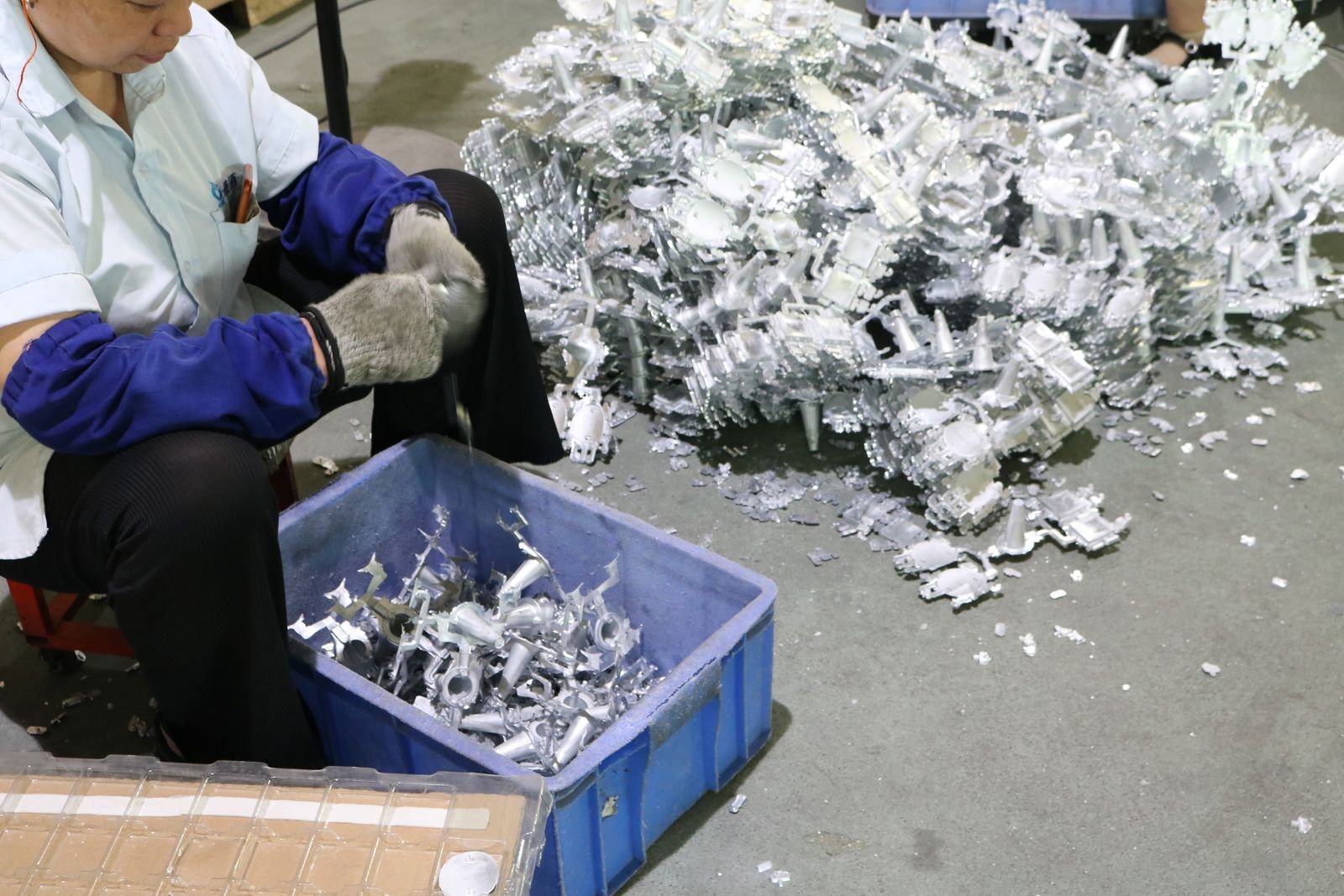
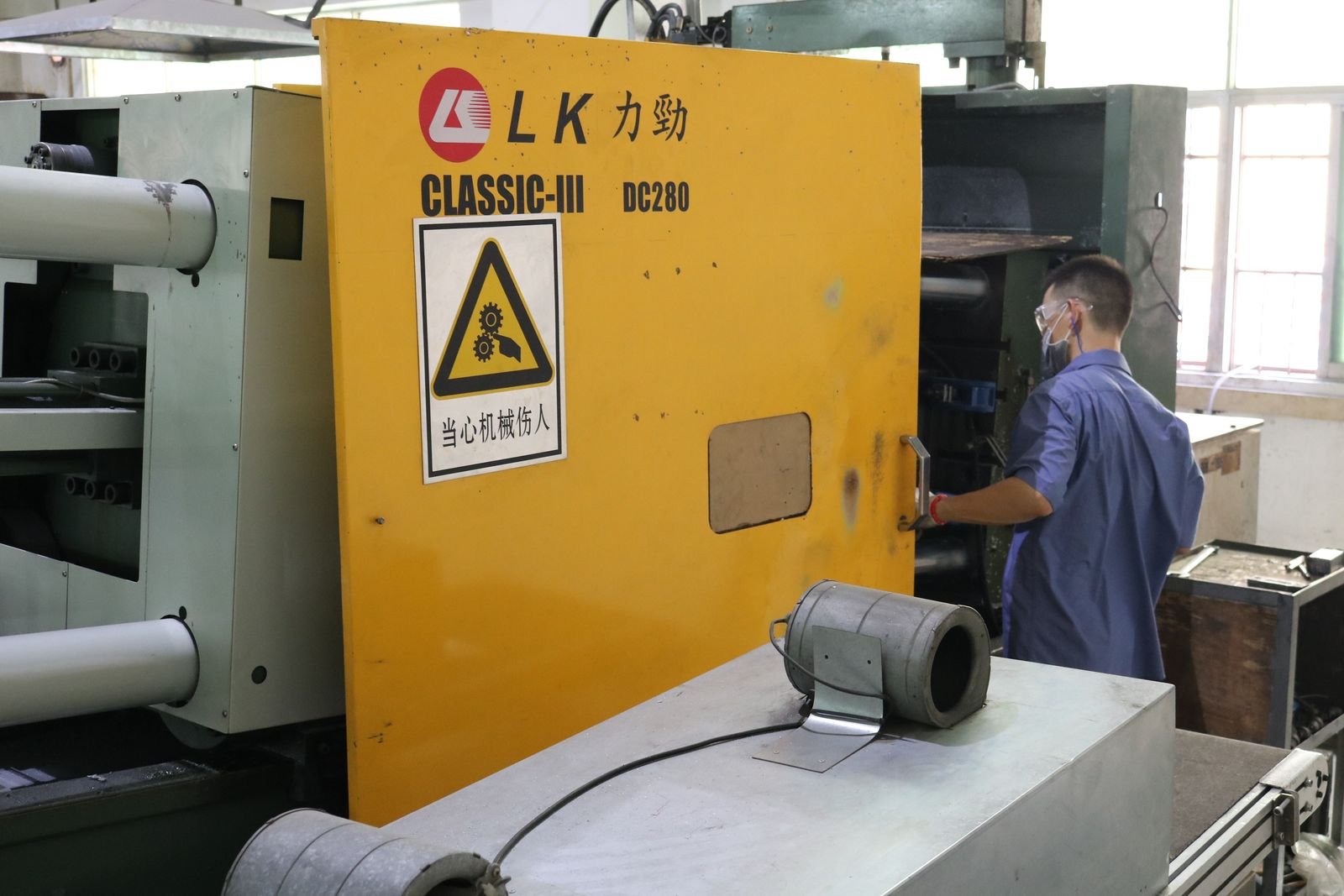
Molten zinc alloy is injected into the die under pressure, filling the cavity completely. The casting cycle produces the shape with the raw surface still carrying its runner and gate. Parts come off the machine with flash and a sprue attached, and they are trimmed before anything else happens.
Step 3 — Surface preparation
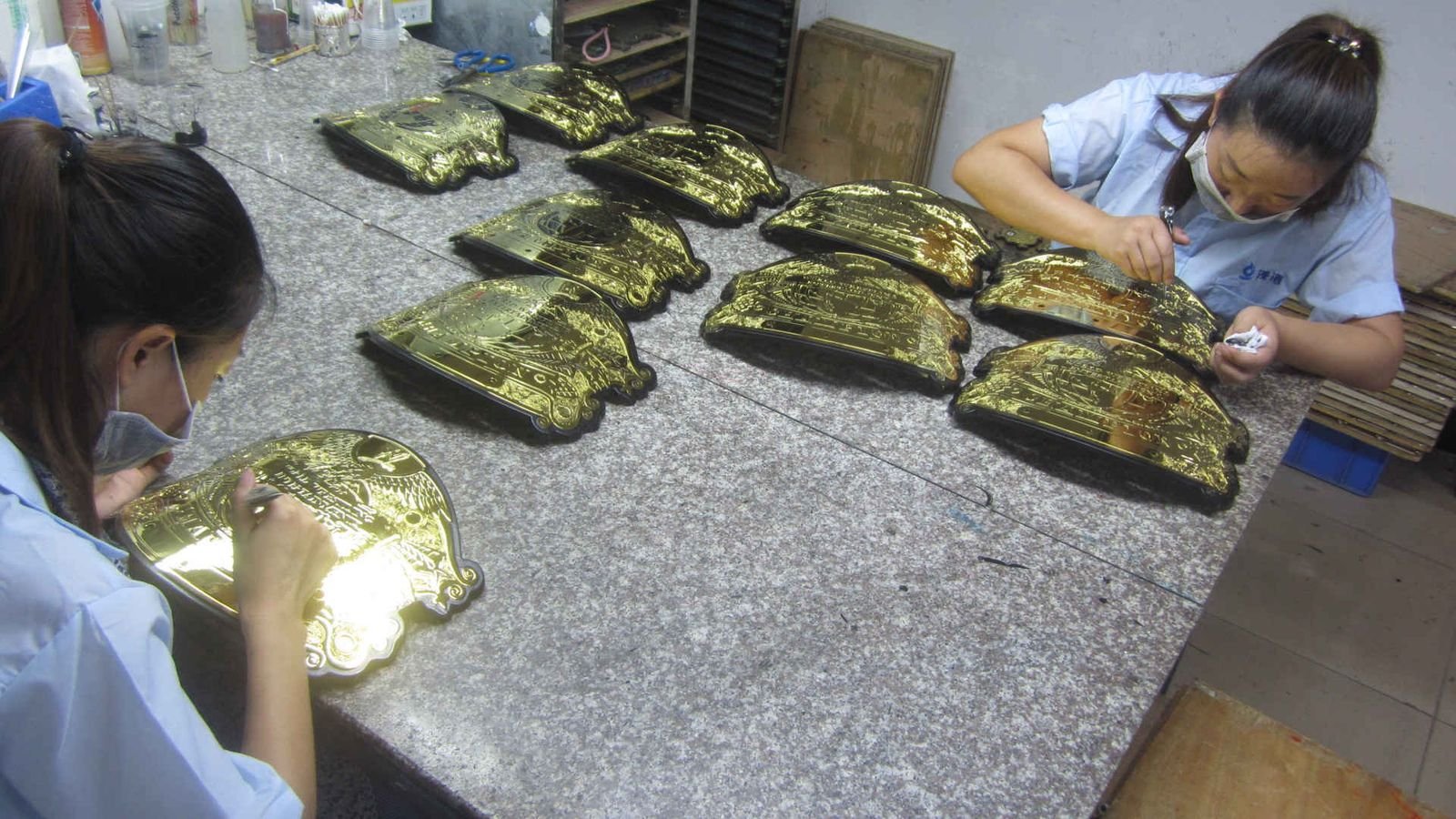
The raw casting is not smooth. It is filed, sanded and polished before plating, because plating follows the contour and will reproduce every surface defect it finds. This is why polished and plated zinc alloy is a two-stage cost rather than one, and why a supplier who quotes only the casting step is quoting incompletely.
Step 4 — Plating or enamelling
The prepared body goes into an electroplating bath for a metallic finish, or into enamel colour filling for a painted colour area, or into a painted finish directly. Enamel colour fill is the process that produces the two-tone results you see on character and novelty stoppers — the recessed areas of a design are filled with a separate colour while the raised metal stays bright.
Step 5 — Assembly
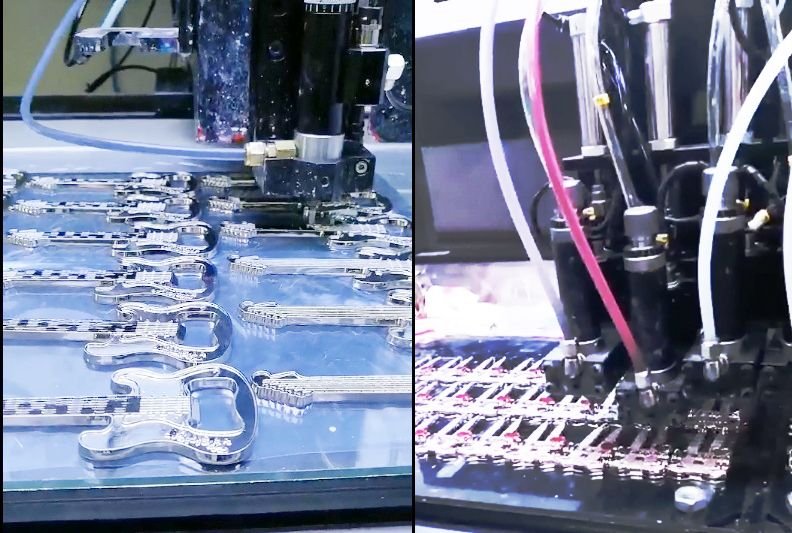
The decorative top, the sealing ring and any stopper body are brought together by hand and checked. For zinc alloy wine stoppers this is where the sealing ring is fitted to the decorative top and the whole assembly is verified for fit and for seal. It is a manual stage and it is the stage most likely to produce a loose or inconsistent piece if it is rushed, so it belongs in your inspection checklist.
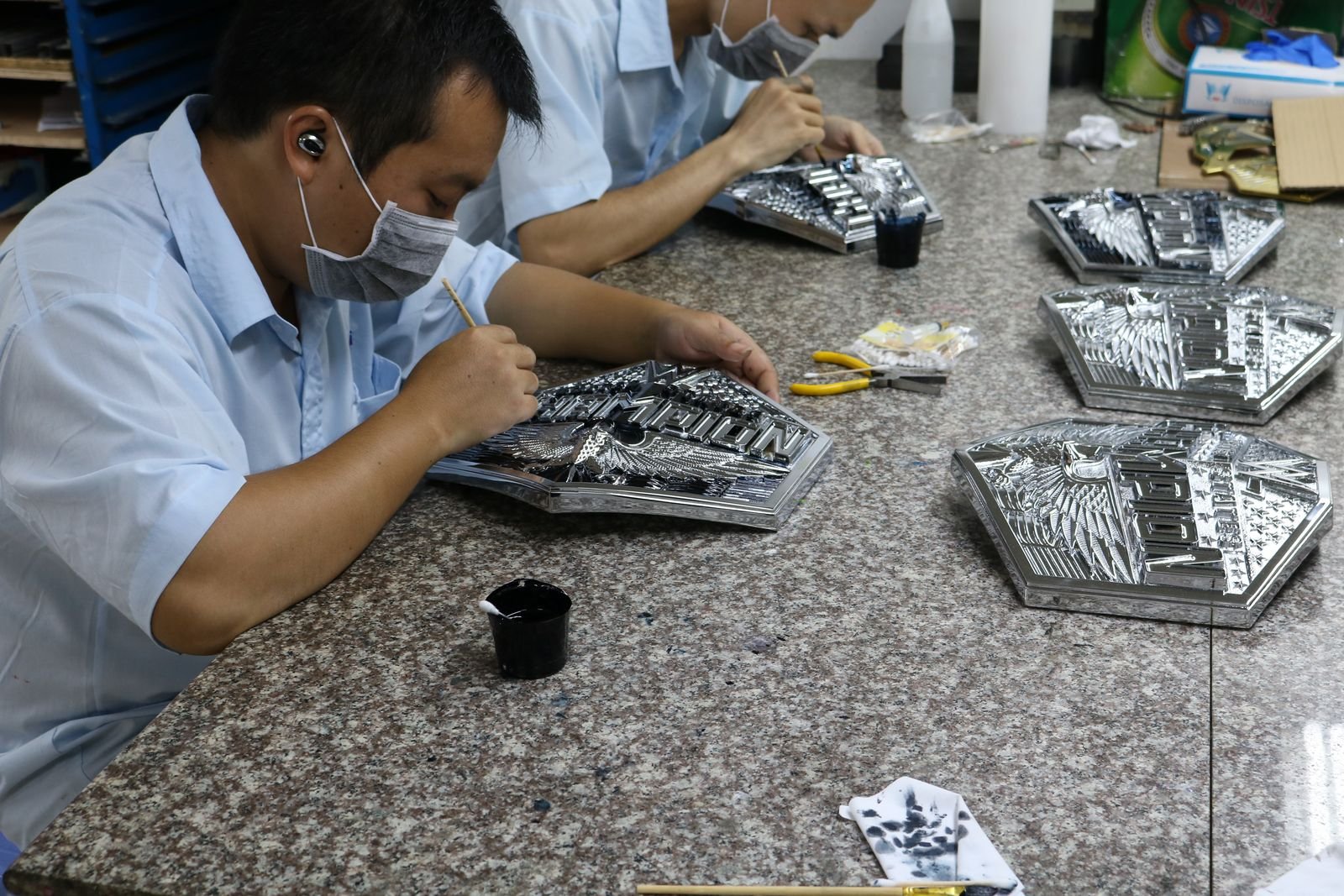
Step 6 — Material verification and final inspection
Incoming raw material is verified against the alloy specification, and finished pieces are checked against the approved sample. Material testing is done with a spectrometer rather than by eye, because zinc alloy grades differ in hardness and in how they take a plating finish, and a grade substitution shows up in the finish rather than in the order.

If you want to know what should be checked on the finished goods before they ship, our quality control guide sets out the inspection points, and it applies to zinc alloy pieces exactly as it does to any other metal.
Tooling Routes and What They Do to Your Minimum Order
MOQ and tooling are the same decision viewed from two sides, and buyers who separate them end up with a quote that does not hold. There are three practical routes.
| Route | Tooling cost | MOQ it supports | What you can change | When it makes sense |
|---|---|---|---|---|
| Existing mould, your logo | None | Lowest band — 100 to 500 pcs | Logo, plating finish, colour, packaging | You need a custom-branded item on an existing silhouette |
| Existing mould, stock colour | None | Lowest band — 100 to 500 pcs | Packaging and quantity only | A giveaway or a volume resale programme where shape is not the message |
| New mould for your shape | One-time tooling fee, quoted per design | Higher band — 1,000 pcs and above | Shape, relief, dimensions, and everything above | The shape itself is the product and you have volume to amortise the tool |
The middle row is worth pausing on. A standard zinc alloy shape with a standard finish and no custom logo is the cheapest way to buy custom metal wine stoppers, and for some promotional programmes it is the correct one. If a buyer tells us they need a custom shape at 200 pieces, the honest answer is usually that the tooling cost will exceed the value it adds at that volume — and we would rather say so than quote a number that makes the order look attractive and produces the wrong result.
One concrete reference point: our metal wine and whiskey bottle stopper line carries a stated minimum of 1,000 pieces, which is where a fully custom moulded program sits in our range. The 500-piece MOQ guide works through what you can actually order at each tier, and the broader MOQ explainer covers why the fixed costs behind a custom design set the floor in the first place.
Logo Methods on a Zinc Alloy Body
The logo is what turns a generic object into your product, and the method has to match the surface. On zinc alloy we use five.
| Method | How it works on zinc alloy | Detail it can hold | Durability | Best for |
|---|---|---|---|---|
| Laser engraving | A focused beam removes a shallow layer of the plated surface | Fine lines, small text, serial numbers, one colour only | Excellent — the mark is in the metal, it cannot wear off | Minimal and refined logos, engraved product names, gift-with-purchase |
| Screen printing | Ink pushed through a mesh stencil onto the surface | Solid colour areas, medium detail | Good, but the ink is a surface layer | Simple bold logos, brand names, larger flat areas |
| Embossing / debossing | The metal is pressed from the front or the back | Rounded, tactile relief, no colour change | Excellent | Bespoke monograms, blind-deboss luxury looks |
| Molded logo | The logo is cut into the die and forms with the body | The highest relief a zinc alloy body can carry, fully integrated | Excellent — it is part of the casting | Full custom shapes, award and souvenir programmes |
| Enamel colour fill | Recessed areas are filled with coloured enamel | Multi-colour, defined colour areas | Good, subject to chipping at edges | Two-tone character designs, novelty and animal shapes |
A molded logo belongs to the mould, so it exists only on the new-tooling route. That is worth understanding before artwork is prepared: if your design relies on a molded logo, you are committing to a tooling fee and a higher minimum order. A laser engraved or screen printed logo can be applied to a body cast from an existing mould, which is why buyers who want a custom-branded item at 500 pieces usually specify engraving or printing rather than molding.
Order Parameters That Decide Your Quote
Six parameters determine the price of a zinc alloy wine stopper order. None of them is the unit price itself — that is the output. If a supplier quotes without asking about all six, the quote will move later.
| Parameter | What we need from you | How it moves the quote |
|---|---|---|
| Design route | Existing shape or your own shape; 2D, 2.5D or full 3D | A new mould adds a one-time fee and moves you into a higher MOQ band |
| Quantity | Target quantity, and whether it is a repeat of a previous order | Quantity drives the per-unit cost far more than any other single input |
| Finish | Gold, silver, rose gold, antique brass, antique silver, antique copper, black nickel or dual tone | Plating and polishing are a large share of the piece cost; dual tone adds a second pass |
| Logo method | Engraved, screen printed, embossed, debossed, molded or enamel fill | Molded logo requires tooling; enamel fill adds a colour-fill operation |
| Colour | Enamel, painted, PMS or brand colour | Multi-colour fills are priced per colour area |
| Packaging | Individual box, gift box, display box, polybag, or custom | Packaging can rival the product cost in a giveaway programme and is the most commonly underestimated line |
Two of these carry the most surprises. Packaging is routinely left out of early enquiries and then becomes the largest single line on the invoice, especially for gift box programmes where the box is a rigid presentation item. And quantity does not scale linearly: the unit price falls in steps, not in a straight line, so a buyer who orders 800 pieces instead of 1,000 may pay a higher price per piece than the tier quote implies. Our pricing guide explains how a custom metal gift price is actually built up, and the packaging guide covers the ten options we run and what each one changes.
Which Zinc Alloy Wine Stopper Style Suits Your Order
Our zinc alloy wine stopper range covers the main commercial formats. Each has a different order logic.
| Product | Construction | Finishes | Logo | Suits |
|---|---|---|---|---|
| Custom 3D Zinc Alloy Wine Stoppers | Zinc alloy body with silicone or rubber sealing rings | Gold, silver, rose gold, antique brass, antique silver, black nickel | Molded, engraving or enamel, with enamel, painted or plated detail colours | Fully custom 2D, 2.5D or 3D shapes for retail, souvenirs and branded gift programmes |
| Custom Decorative Wine Stoppers | Zinc alloy body with silicone or rubber sealing rings | Gold, silver, antique brass, antique silver, black nickel | Custom logo | Decorative branded gifts where the form is standard but the identity is yours |
| Custom Dragon Head Wine Stoppers | Zinc alloy relief top, rubber or silicone sealing part | Gold, silver, antique gold, antique silver, black nickel | Artwork or branding, with enamel detail colours | Novelty, souvenir, gift and promotional programmes built around a character form |
| Custom Deer Head Wine Pourers | Zinc alloy relief top with rubber or silicone sealing rings | Silver, gold, antique silver, antique gold, black nickel | Artwork or branding | Premium wine gift sets and estate packaging programmes |
| Zinc Alloy Wine Pourers for Premium Wine Gifts | Zinc alloy pourer top | Plated finishes across the standard range | Custom artwork | Wine pourer top and gift set programmes, typically alongside a stopper |
| Metal Wine and Whiskey Bottle Stoppers | Zinc alloy decorative top, separate metal stopper body, silicone sealing rings | Gold, silver, nickel, chrome, black nickel, antique brass, antique copper, rose gold | Die casting, enamel and painting | Bottle stoppers as a product line in their own right rather than as a wine accessory |
For winery gift programmes specifically, the custom wine stoppers for wineries line runs a deer head and antler metal top, and the wine stopper gift set combines a stopper with coordinated accessories in a foam, EVA or custom inner tray box. If you are still working out which metal suits, our wine stopper buyer guide covers shape and sealing choices across all materials, and champagne versus wine stopper covers the sparkling side.
How to Specify a Zinc Alloy Wine Stopper Order
This is the sequence that produces a quotation you can act on, and it is the same sequence we use when a buyer contacts us for the first time.
- Choose the design route first. Existing mould with your logo, or a new mould for your own shape. This single decision sets the tooling cost, the MOQ band and the lead time, so it comes before any other detail.
- Define the form. 2D, 2.5D or full 3D, with the dimensions you need. If you have a 3D file, send it; if you have artwork only, say so, because 3D modelling is a separate step and it affects the tooling quote.
- Confirm the finishing route. Plating colour, whether you want a second colour by enamel fill, and how many colour areas are included.
- Specify the logo method. Laser engraving, screen printing, embossing, debossing, molded or enamel fill — and confirm the logo artwork you can supply at production quality.
- Set the quantity and the packaging. Quantity, and the packaging format including any insert or tray inside the box.
- Agree the timeline. Sampling takes about 7 days. Mass production takes about 15 to 20 days after sample approval. Both figures are working days from the point the artwork is confirmed, and shipping time sits on top of them.
Our lead time and shipping guide covers how these periods stack up and what shipping options are available, and the OEM versus ODM guide is worth reading before your first enquiry if you are bringing a finished design rather than a concept.
Questions to Ask a Zinc Alloy Wine Stopper Supplier Before You Order
These are the questions worth asking in writing, in a quote request, before artwork goes to a supplier. A supplier who answers all of them clearly is usually a supplier who will deliver what the sample showed.
- Is the quote based on an existing mould or on a new one, and does that change the MOQ?
- Which sealing ring is fitted — silicone or rubber — and is it included in the specification?
- How many plating passes and how many enamel colour fills are included in the quoted price?
- What is the plating and polishing line, and is it in-house or subcontracted?
- How is incoming zinc alloy material verified, and against which alloy specification?
- Is the assembly stage manual, and is the seal checked piece by piece?
- What is the sample lead time and the mass production lead time, and what starts each clock?
- What is included in the packaging line, and is the box costed separately?
Our 12-point manufacturer checklist covers the selection side in full, and the quality control guide covers what should be checked on the finished pieces before they leave the workshop.
Where Zinc Alloy Wine Stoppers Fit in a Wider Custom Metal Gift Range
Wine stoppers are one of the strongest categories for zinc alloy because the shape tolerance and the finish requirement are both high, and the retail price point supports them. The same casting and plating capability carries a number of adjacent products that buyers often order in the same programme.
| Category | Why it shares the process | Link |
|---|---|---|
| Custom metal keychains | Same casting and plating line, different attachment hardware | Custom metal keychains |
| Custom metal souvenirs | Sculptural relief forms, the highest-relief end of the same casting work | Custom metal souvenirs |
| Custom metal medals and badges | Enamel-filled relief in the same finnishing stages | Custom metal medals and badges |
| Custom fridge magnets | Thin-section casting with plated finishes | Custom fridge magnets |
| Custom bag charms | Small-section casting where the relief-to-weight ratio matters | Custom bag charms |
If you are ordering for a trade show or a promotional giveaway rather than a retail line, our trade show giveaway guide sets out how to pick a giveaway item that survives being handled all day.
Related Pages
If you have already settled on zinc alloy and are working through the order itself, the custom wine accessories range is where the products are listed, and our 500-piece MOQ guide works through what you can order at that tier. For the wider decisions — shape and material choice across all options, lead time and shipping, packaging formats, and how a quotation is built up — see the wine stopper buyer guide, lead time and shipping, packaging options and how custom metal gifts are costed. And if you are still comparing suppliers, the 12-point manufacturer checklist covers what to verify before you commit.
Frequently Asked Questions
What is the minimum order quantity for custom zinc alloy wine stoppers?
It depends on whether you use an existing mould or commission a new one. Orders that run on an existing mould with your own logo sit in the lower MOQ band, starting at 100 pieces and typically running at 500. A fully custom moulded design sits at 1,000 pieces and above, because the tooling cost has to be recovered across the order. The specific lines differ: our metal wine and whiskey bottle stopper is quoted at 1,000 pieces, while the 3D zinc alloy and decorative zinc alloy stoppers are normally run against an existing mould. The right question to ask a supplier is which of the two routes your design sits on, because that decision changes the minimum, the tooling fee and the lead time together.
Why is zinc alloy used for custom wine stoppers instead of steel or brass?
Zinc alloy is die cast, which means it holds fine relief, undercut detail and full three-dimensional forms in a single shot. That is the property a decorative wine stopper needs and a flat stamped sheet cannot give you. It also takes electroplating exceptionally well, so one cast body can be finished in gold, silver, rose gold, antique brass, antique silver, antique copper or black nickel. Brass and bronze give a heavier, more premium feel but cost more; stainless steel is durable and suits minimal flat-logo designs; iron suits painted and enamel-filled novelty shapes. Zinc alloy is the middle position: enough relief to carry a brand, plated to look finished, and priced so a wholesale order can absorb it.
How long does it take to produce custom zinc alloy wine stoppers?
Sampling takes about 7 days and mass production takes about 15 to 20 days after the sample is approved. Both periods are working days and both start from the point your artwork is confirmed rather than from the day you place the order. A new mould adds its own development stage before sampling begins, so the full timeline from first enquiry to shipment is longer than 7 plus 15 to 20 days. Shipping time sits on top of production, and it depends on the destination and the method you choose.
What logo methods can be applied to a zinc alloy wine stopper?
Five methods work on this material. Laser engraving removes a shallow layer of the plated surface and is the most durable because the mark is in the metal. Screen printing pushes ink through a mesh stencil and suits bold solid shapes. Embossing and debossing press the metal from the front or back for a tactile relief with no colour change. A molded logo is cut into the die and forms with the body, giving the highest relief and the tightest integration but requiring new tooling. Enamel colour fill puts separate colours into the recessed areas of a design. A practical point: laser engraving, screen printing and enamel fill can all be applied to a body cast from an existing mould, while a molded logo only exists on the new-tooling route.
What is the difference between zinc alloy and zinc alloy die casting in a wine stopper order?
Zinc alloy is the material. Die casting is the process that shapes it. When you see a quote that specifies zinc alloy, that tells you what the body is made of but not how it was formed, and the forming method is where much of the cost and the achievable detail live. The combination matters: zinc alloy die casting gives you 2D, 2.5D and full 3D relief in one piece and takes plating well. Investment casting or machining can produce finer tolerances and more complex internal geometry but at a higher cost and usually a far higher minimum, which is why it is rarely the right route for a promotional or retail wine stopper programme.
Can zinc alloy wine stoppers be given a custom shape and colour?
Yes, and that is the normal route for this product. Our 3D zinc alloy wine stopper line accepts custom 2D, 2.5D or full 3D shapes. On colour there are three distinct options: a plated colour across the whole body, an enamel colour fill that places a separate colour into the recessed areas of the design, and painted colour for areas that are not plated at all. Finished tops are available in gold, silver, rose gold, antique brass, antique silver, antique copper and black nickel. Multi-colour enamel fills are priced per colour area, so it is worth agreeing how many colours are included before you order rather than after.
What should I check on zinc alloy wine stoppers before shipment?
Check the fit of the sealing ring first, because silicone or rubber is what actually seals the bottle and a loose or inconsistent ring is the most common functional defect on a zinc alloy stopper. Then check the plating for cloudiness, uneven coverage and scratching, since these are visible on a batch but not always on a single sample. Check that the relief detail is complete and not softened by over-polishing, that the logo matches the approved sample, and that the colour areas sit correctly if there is an enamel fill. Finally, confirm the material grade was verified against your specification rather than substituted, because a grade change shows up in the finish rather than in the order.
Are zinc alloy wine stoppers suitable for wine shops and wineries?
They are one of the strongest categories for this material, and yes, they are widely used for winery and wine shop programmes. A winery gift line typically runs a deer head or antler metal top with a plated finish, and a retail programme often adds gift box packaging with a foam, EVA or custom inner tray. We also produce a zinc alloy wine pourer for premium wine gift sets. Two details matter for this buyer type: a presentation box is part of the product rather than an accessory, and a resin or silicone sealing ring is what determines whether the stopper performs, so both should be specified rather than left to the default.
Ready to Start Your Custom Project?
Send us your design or reference photo - free rendering and quotation within 24 hours. MOQ from 100-500 pcs, factory-direct pricing since 2003.